The Council is made up of elected members who represent different wards within Dunstable, working together to make informed decisions on behalf of the town. These councillors are committed to serving the public, representing community interests, and upholding the values of local democracy.
We actively support civic traditions through events such as the Mayor’s civic engagements, Remembrance Day commemorations, and celebrations of local achievements. The Mayor of Dunstable, elected annually, serves as the town’s civic ambassador, promoting unity, inclusivity, and public spirit.
We encourage all residents to take part in the democratic process—whether by voting in local elections, attending public meetings, or engaging directly with their ward councillors. Your involvement helps shape the future of our town. Together, we continue to build a Dunstable that reflects the voice, values, and aspirations of its community.

Flag Raising Acknowledgement
Dunstable Town Council regularly marks significant occasions and national commemorations by hoisting relevant flags at its key buildings—such as the green flag for recognition of parks, remembrance flags on Armistice Day, and community flags like the Bedfordshire county flag. These ceremonial gestures are accompanied by formal acknowledgements from council members, affirming the town’s respect for national heritage, social milestones, and local identity.
Flag Raising Dates
The Commonwealth flag is flown to represent the Commonwealth of Nations, an association of 56 member countries that work together to promote democracy, inclusive development, and respect for diversity. The flag is flown at various locations and events to signify the unity and shared values of the Commonwealth countries.

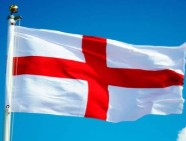
The St George’s flag, a red cross on a white background, is flown on St George’s Day to honour St George, the patron saint of England. This tradition dates back to the medieval period when St George was celebrated for his bravery and chivalry. The flag itself was adopted by England and the City of London in 1190. St George’s Day, celebrated on April 23rd, commemorates the day St George is believed to have died. The flag is flown to show national pride and to celebrate the heritage and history associated with St George.
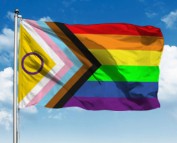
The new Progress Pride flag is flown at the beginning and end of of pride month to represent and celebrate the diversity and intersectionality within the LGBTQ+ community. This flag is an evolution of the traditional rainbow Pride flag, incorporating additional colours and elements to highlight the inclusion of marginalized groups within the community.
The Progress Pride flag includes black and brown stripes to represent marginalized communities of colour, and light blue, pink, and white stripes to represent the transgender community. The chevron shape of these additional stripes symbolizes forward movement and progress, while their placement at the end of the flag signifies that there is still work to be done to achieve full equality and inclusion.
The flag is flown to acknowledge and honour the contributions and struggles of these groups within the LGBTQ+ community, and to promote a message of unity and inclusivity.
The Union flag is flown on the King’s birthday to honour and celebrate the monarch’s special day. This tradition is part of the broader practice of flying the Union flag on significant national occasions and days of importance to the Royal Family. The flag is flown on government buildings and other designated locations to show respect and allegiance to the King.

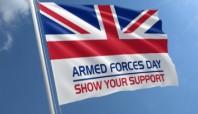
The Armed Forces flag is flown to honour and recognize the bravery, sacrifice, and dedication of the men and women who have served and continue to serve in the armed forces. This flag is a symbol of appreciation and respect for their service to the country.
The Union flag is flown on the Queen Consort’s birthday as part of the tradition of honouring significant members of the Royal Family. This practice is in line with the broader guidelines for flying the Union flag on designated days, which include the birthdays of key royals. The flag is flown on government buildings and other designated locations to show respect and celebrate the Queen Consort’s special day.
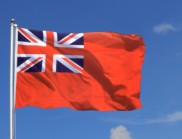
The Red Ensign, also known as the “Red Duster,” is the civil ensign of the United Kingdom of Great Britain and Northern Ireland. It is flown by British merchant or passenger ships and has been in use since 17071. People fly the Red Ensign for various reasons, including celebrating the Merchant Navy day, representing quality in the maritime sector, and expressing national pride. Additionally, it is flown to honour and appreciate the contributions of Merchant Navy seafarers to the economy and daily lives.
The Union Flag is flown on His Majesty’s accession as a way of expressing joy and pride. Flags are emotive symbols that can boost local and national identities, strengthen community cohesion, and mark civic pride. The Government’s Department for Culture, Media and Sport provides guidance on when and how the Union Flag should be flown on government buildings.
On the day of His Majesty’s accession, the Union Flag is flown at full mast for about 24 hours before returning to half-mast in mourning for the previous monarch. This practice ensures that the transition of the monarchy is marked with appropriate respect and celebration.
The Emergency Services Day flag is flown to honour and remember the members of the emergency services who have died in the line of duty. This day, also known as 999 Day, begins at 9am with flags being raised around the UK, followed by a two minutes’ silence. The flag itself is similar to the Armed Forces Day flag, symbolizing the unity and collaboration between the armed and emergency services. This day serves as a powerful reminder of the dedication and sacrifices made by emergency service professionals.

The Union flag is flown on Remembrance Day to honour and remember those who have served and sacrificed in the armed forces. This tradition is part of the broader Remembrance events that take place throughout the UK, which include ceremonies, parades, and the laying of wreaths. The Union flag is flown at full mast during these events as a symbol of national unity and respect for the fallen
The Union flag is flown on the King’s birthday to honour and celebrate the monarch’s special day. This tradition is part of the broader practice of flying the Union flag on significant national occasions and days of importance to the Royal Family. The flag is flown on government buildings and other designated locations to show respect and allegiance to the King
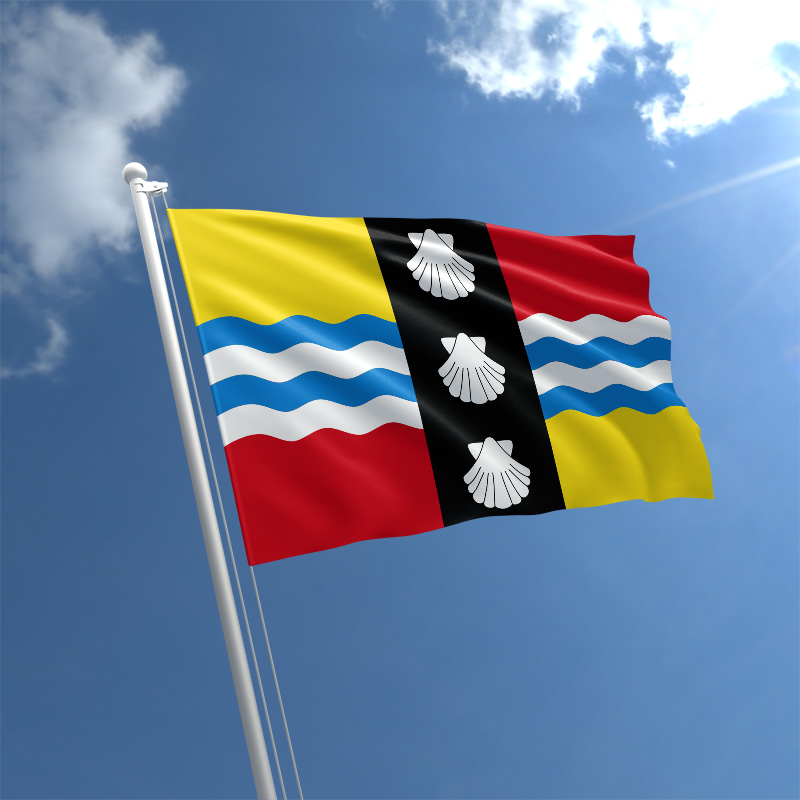
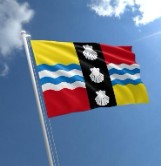
The Bedfordshire Day flag is flown to celebrate Bedfordshire Day, which is observed annually on November 28th. This day was established to honour the county’s heritage and culture. The flag itself is based on the banner of the arms of the former Bedfordshire County Council, which was granted in 1951 by the College of Arms.
The first Bedfordshire Day was held in 2015, following a public vote by the Friends of Bedfordshire Society to decide on a significant date. The anniversary of the birth of John Bunyan, a notable figure from Bedfordshire, was chosen as the most popular date to celebrate
The Dunstable arms, showing a ring attached to a pointed staple, was adopted by Dunstable Borough Council as its symbol when the council was formed in 1864. The historic design had appeared previously in various forms in the town over the centuries. The ring was a symbol of Royal favour (the town was founded by King Henry I) and a pointed stake was used to define a marketplace. The staple might be a pun on the town’s medieval name, which was spelt DunstaPle.
The Dunstable Coat of Arms was granted by the College of Arms in 1864 when the town received its charter from Queen Victoria to be come a Borough. The Latin motto justitia fiet omnibus translates as Justice For All something Dunstable Town Council still aspires to today.
Councillor Surgeries/Open Public Meetings


Remembrance and Armistice Day
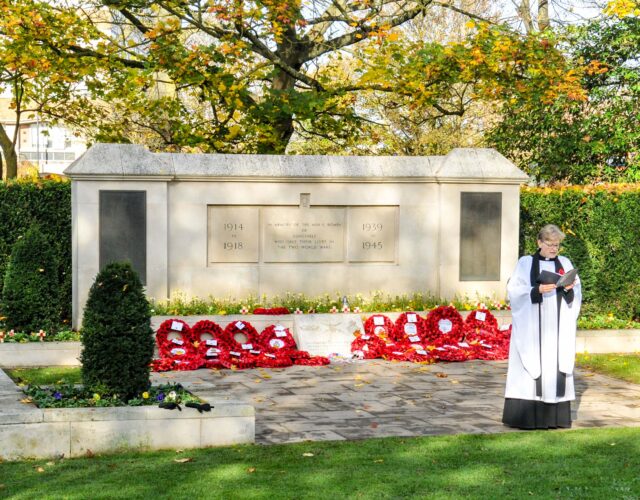
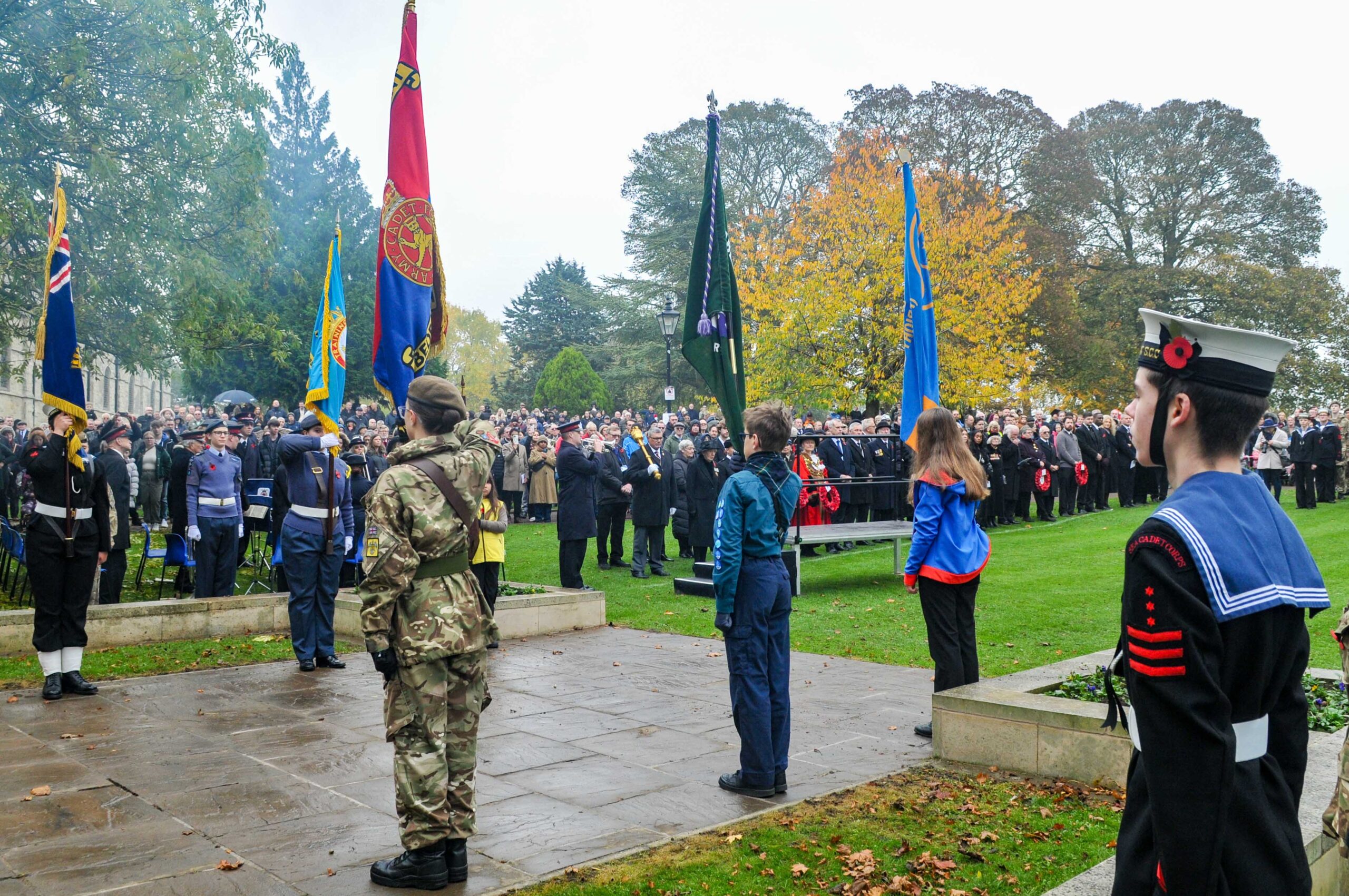
Dunstable Town Council hosts its annual Remembrance Day Parade and Church Service in honour of those who have served and sacrificed in the Armed Forces. The event includes a civic procession, a service at Priory Church, and a two-minute silence at the War Memorial, bringing together local residents, veterans, and dignitaries to pay their respects.
On Armistice Day, the Town Council also organises a two-minute silence at the War Memorial to mark the exact time the First World War ended, offering a moment of reflection for the whole community.